An idea for sustainability? Let’s develop it together.

An idea, an operational need or a technology you want to improve… Combine research, engineering, biological processes and AI to take sustainable solutions from concept to field application.

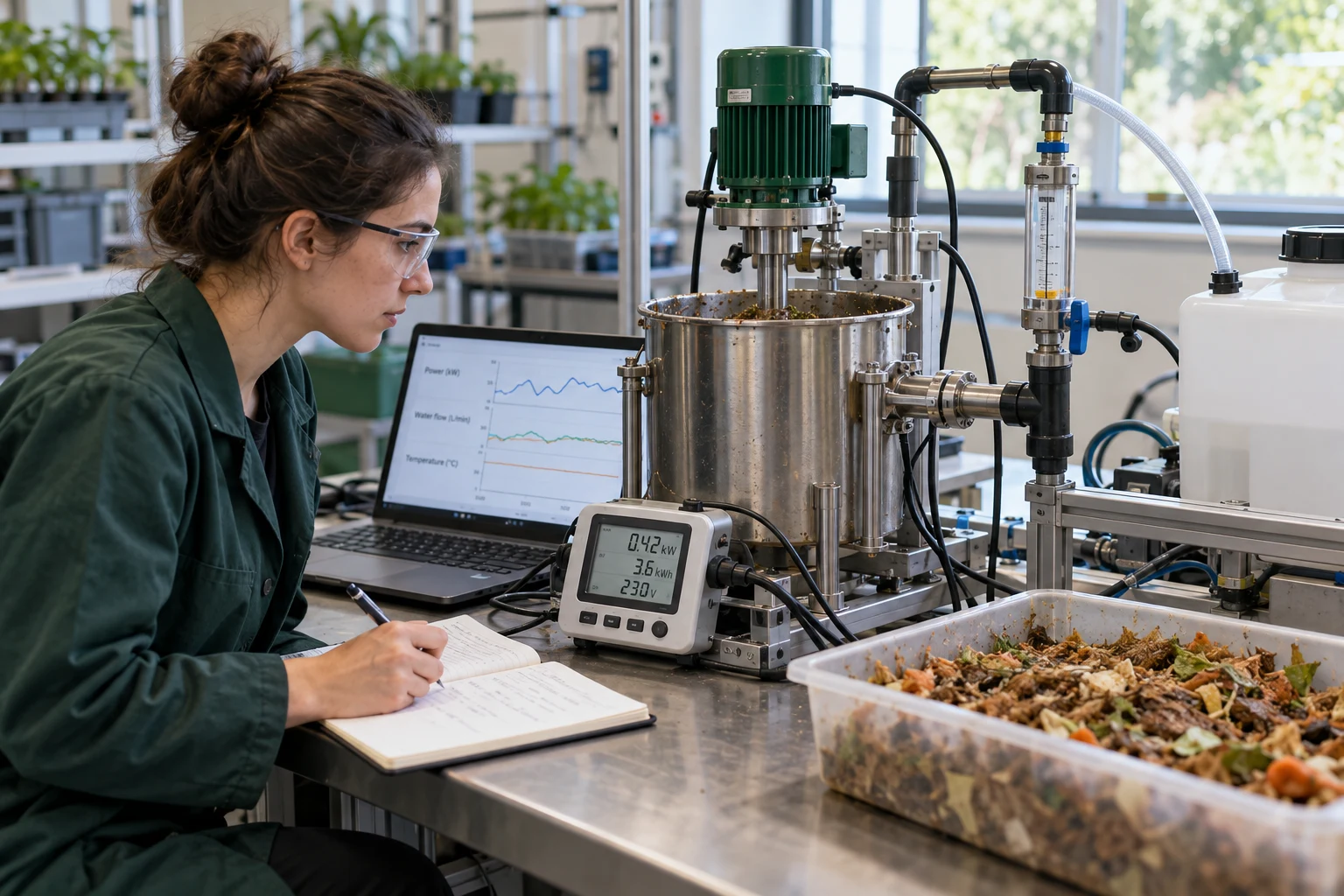
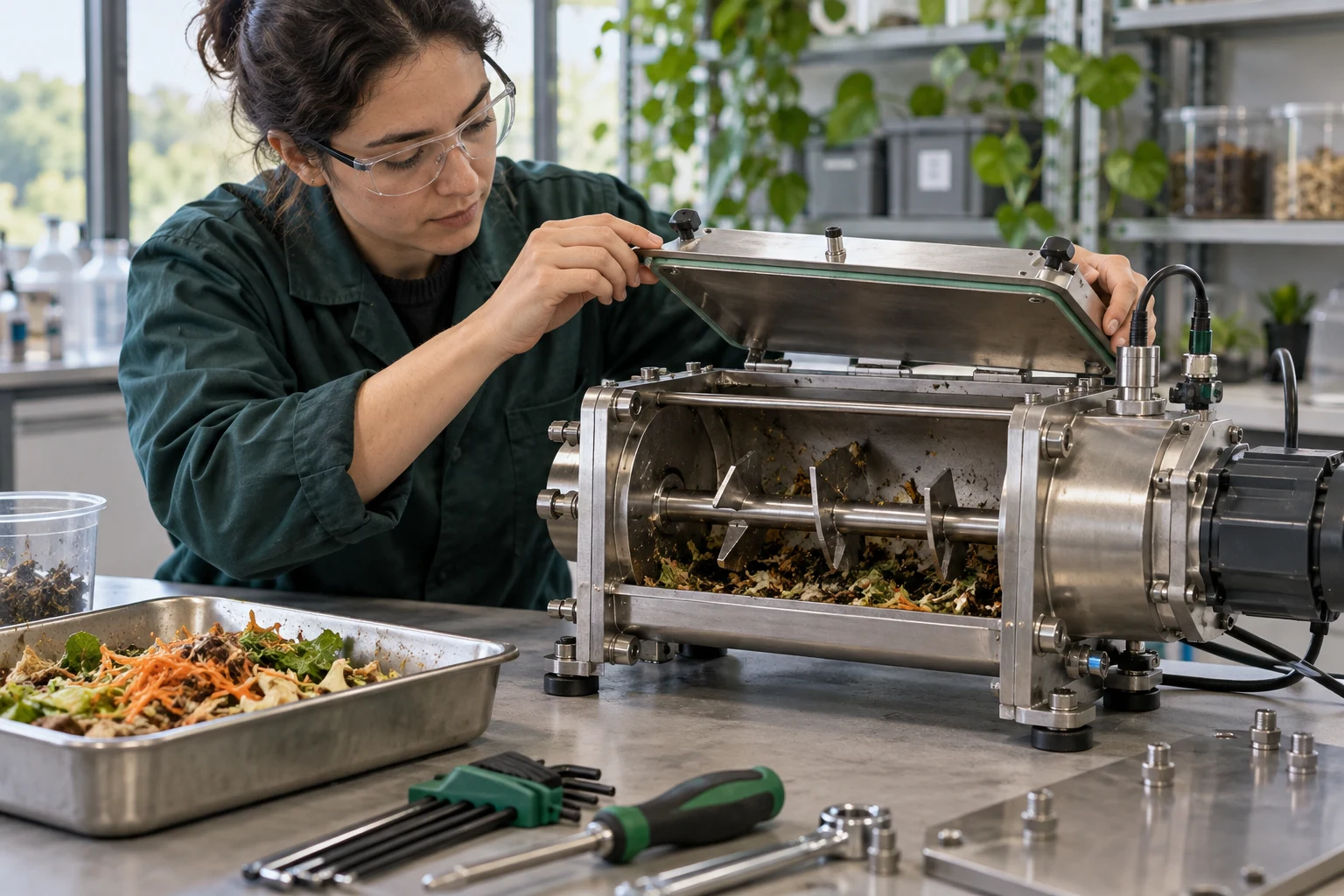
Sustainable technology research in a laboratory
01 / FROM NEED TO TECHNOLOGY

Real-world problems at the centre of development.

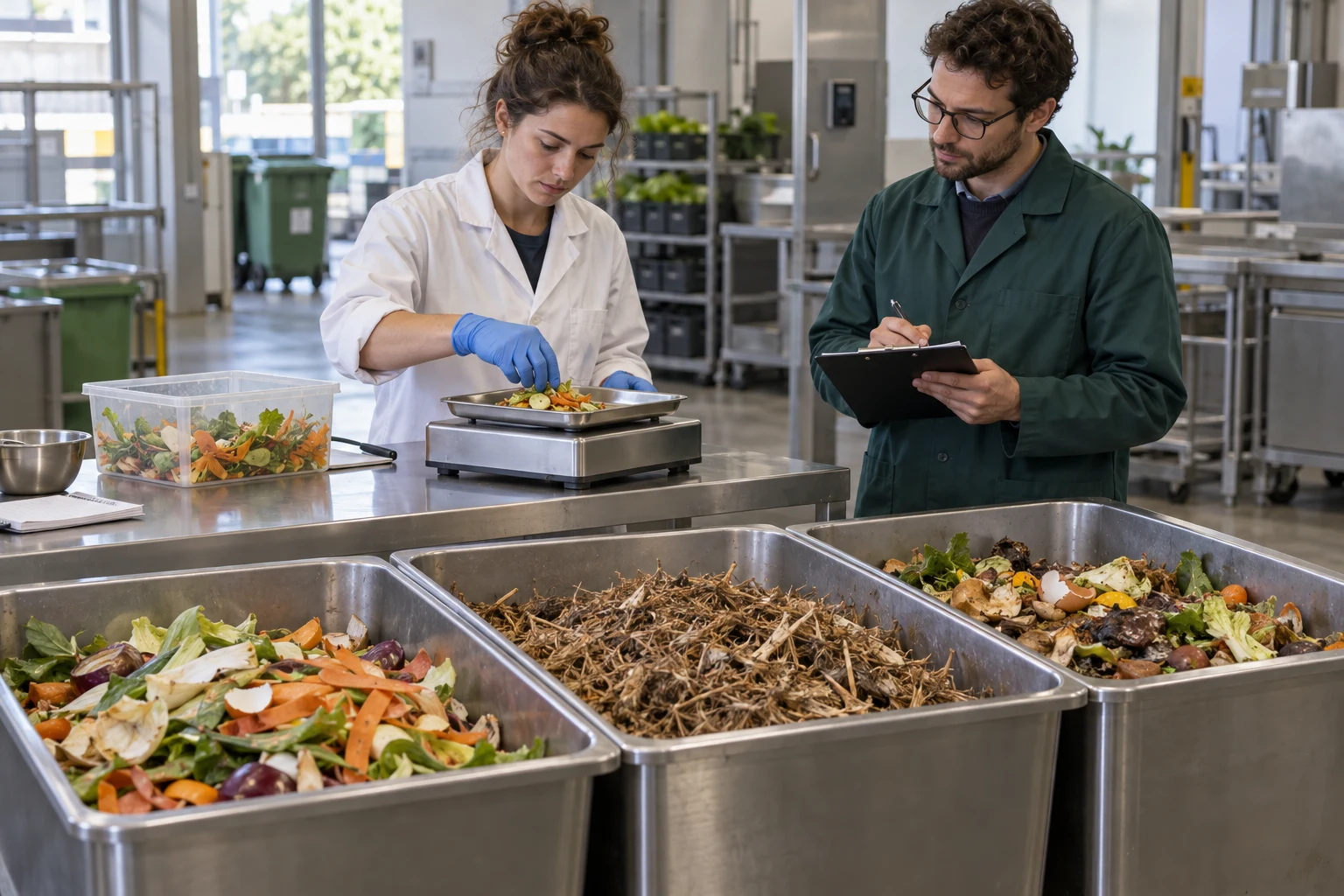
A sustainable solution begins with the right question. Which resources are being lost? Which step is difficult? Where does existing technology fall short? At GreBotics, these questions guide research that brings biology and engineering into one system.

We plan mechanical design, electronics, automation and data together. Prototypes and field measurements test assumptions, with resource use, process stability, maintenance and operator needs built into the design.

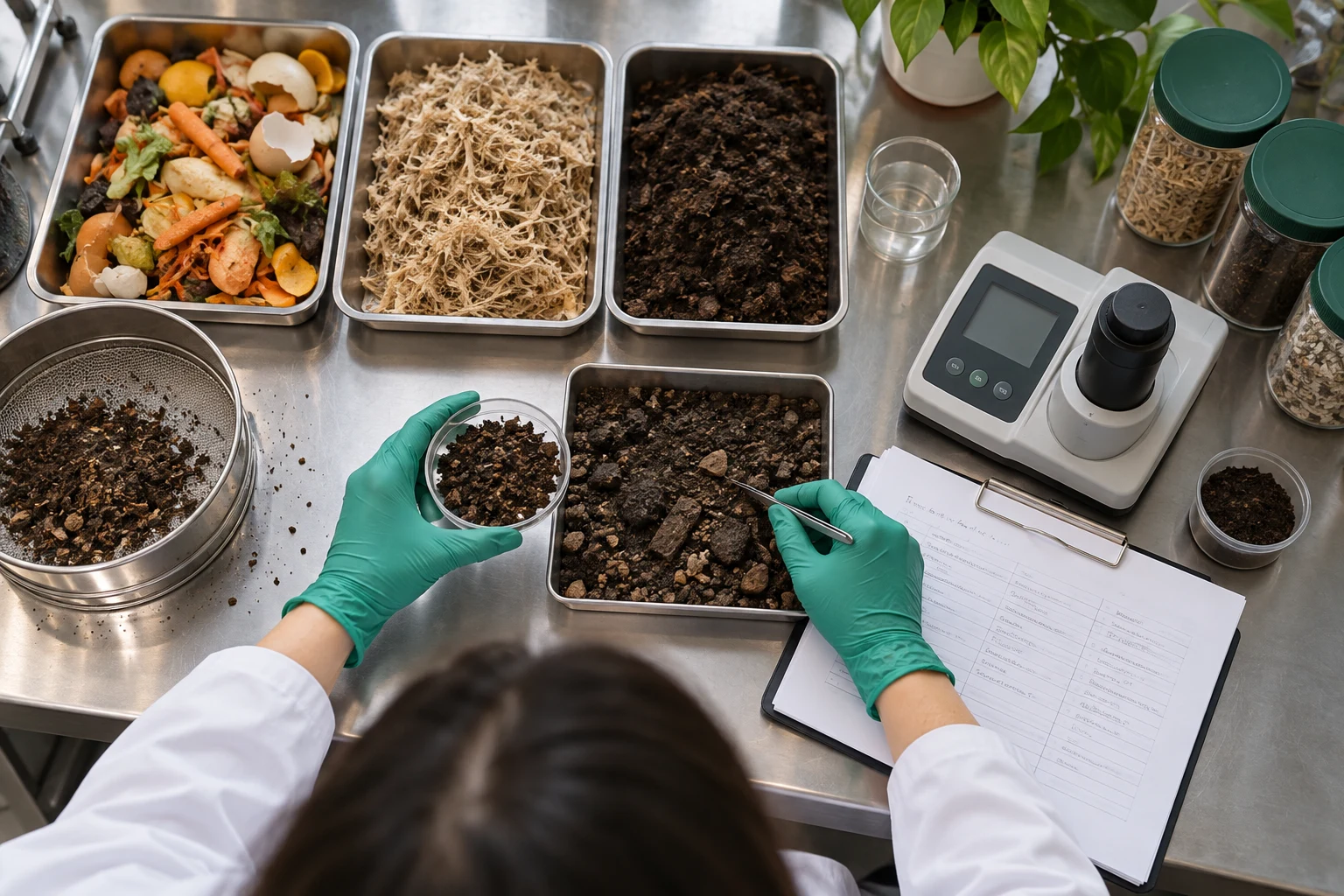
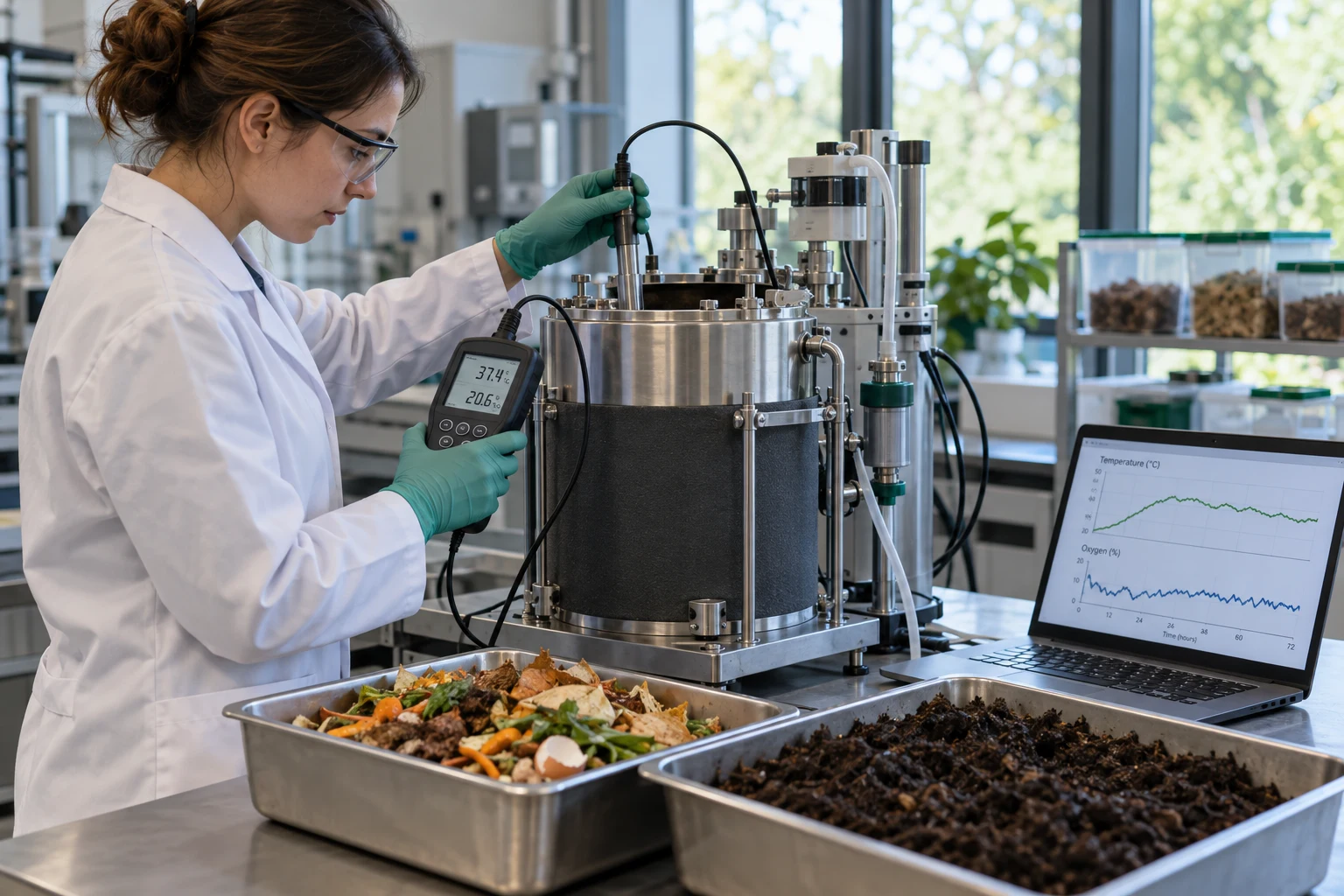
Weighing organic waste samples during needs assessment
02 / OUR RESEARCH AREAS

Different disciplines. Complementary solutions.

Bring our areas of work, from compost technologies to resource efficiency, together around your project.

AI & Automation01

AI & Automation

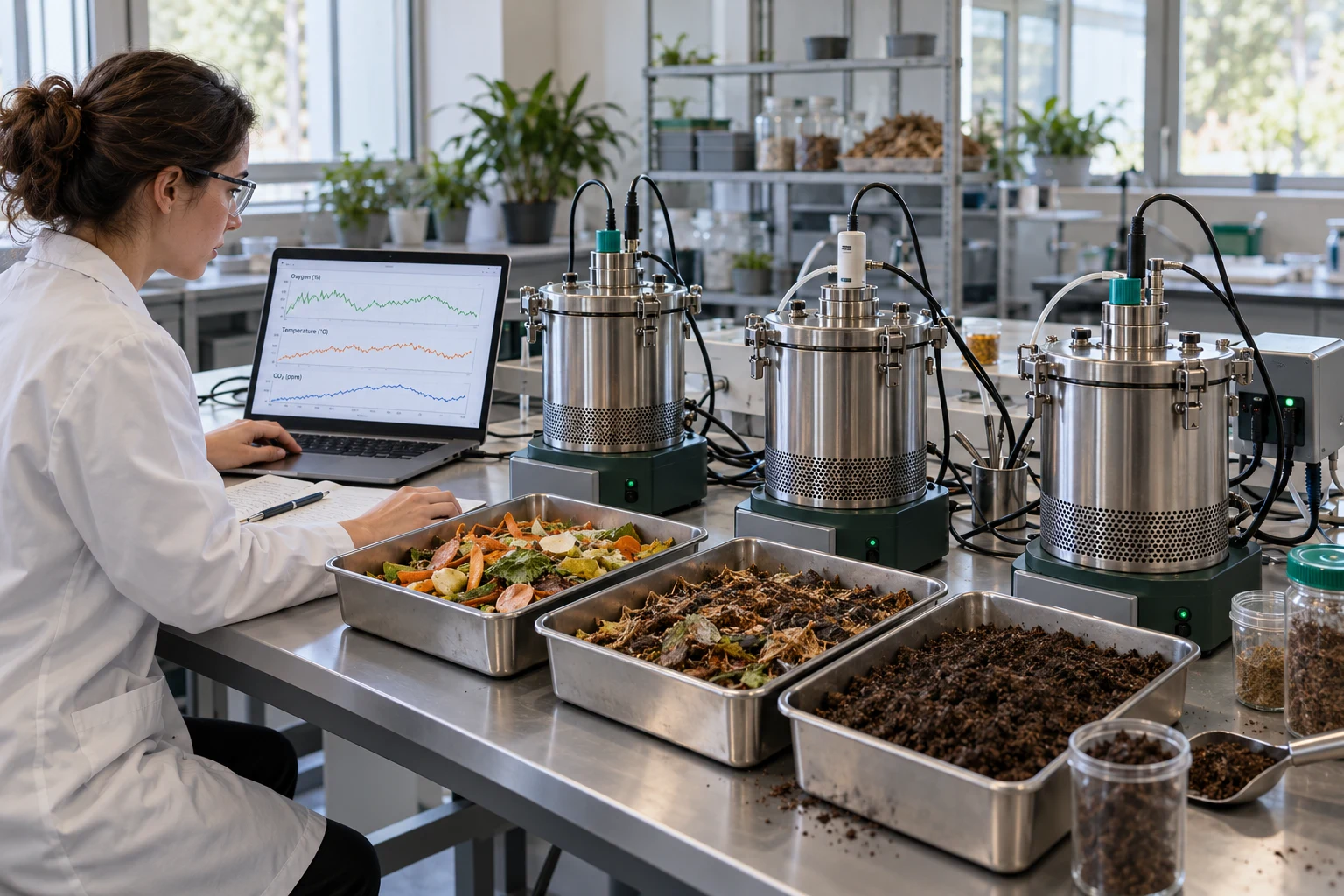
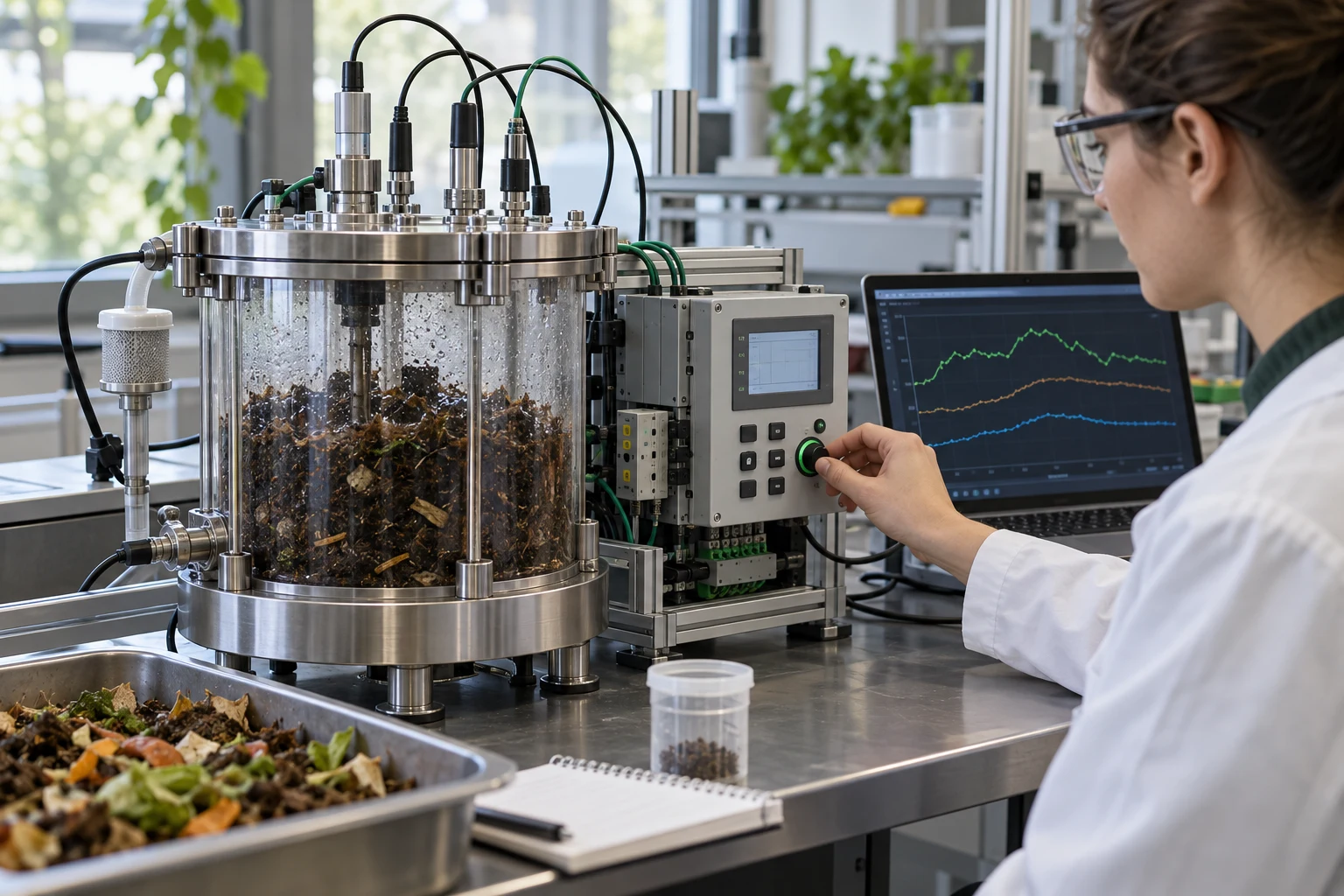
We turn process data into usable information, combining sensor measurements, equipment status and batch records to develop monitoring, alarms and operator decision support.

Sensor integration · Process monitoring · AI-assisted control
Biological Process Control02

Biological Process Control

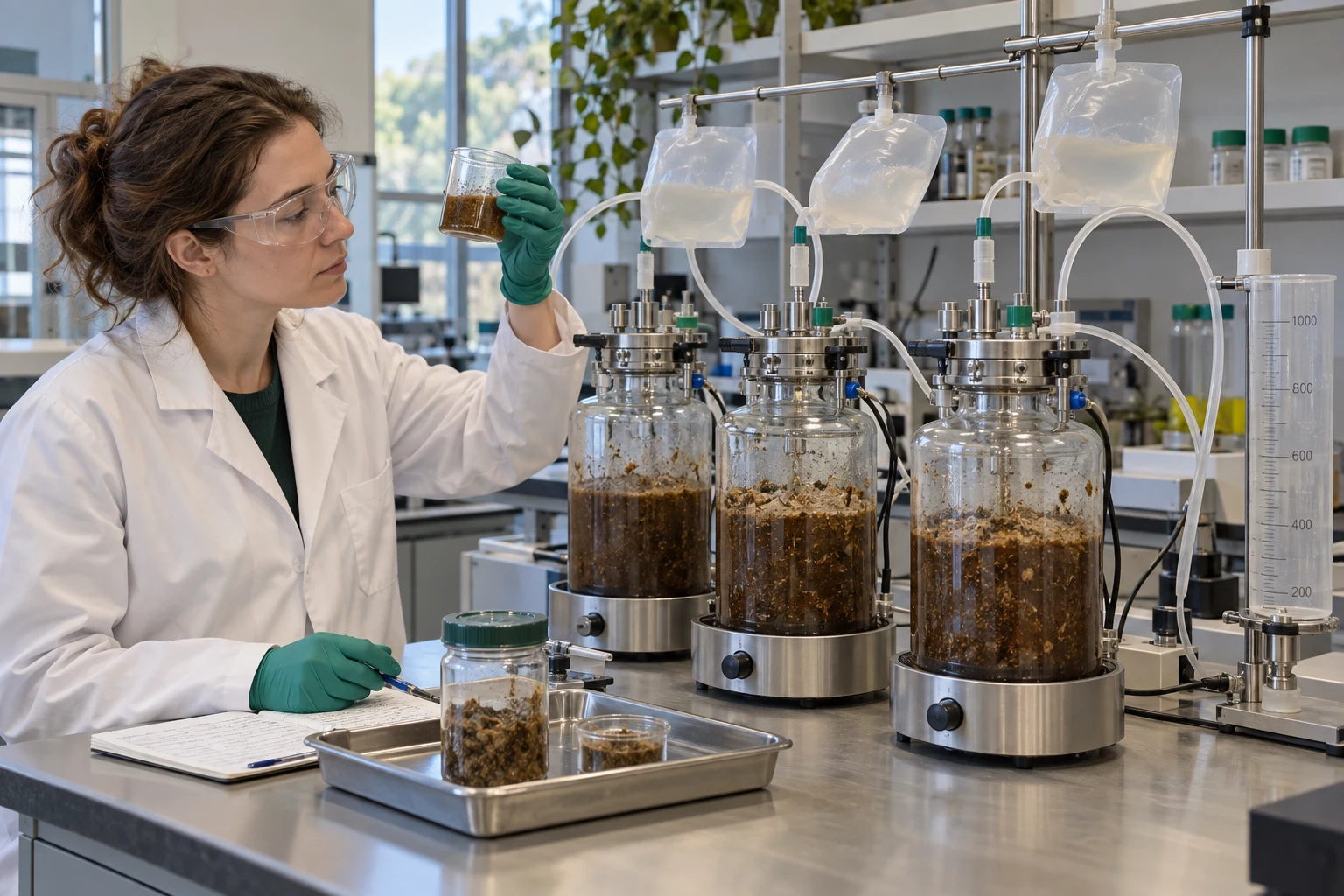
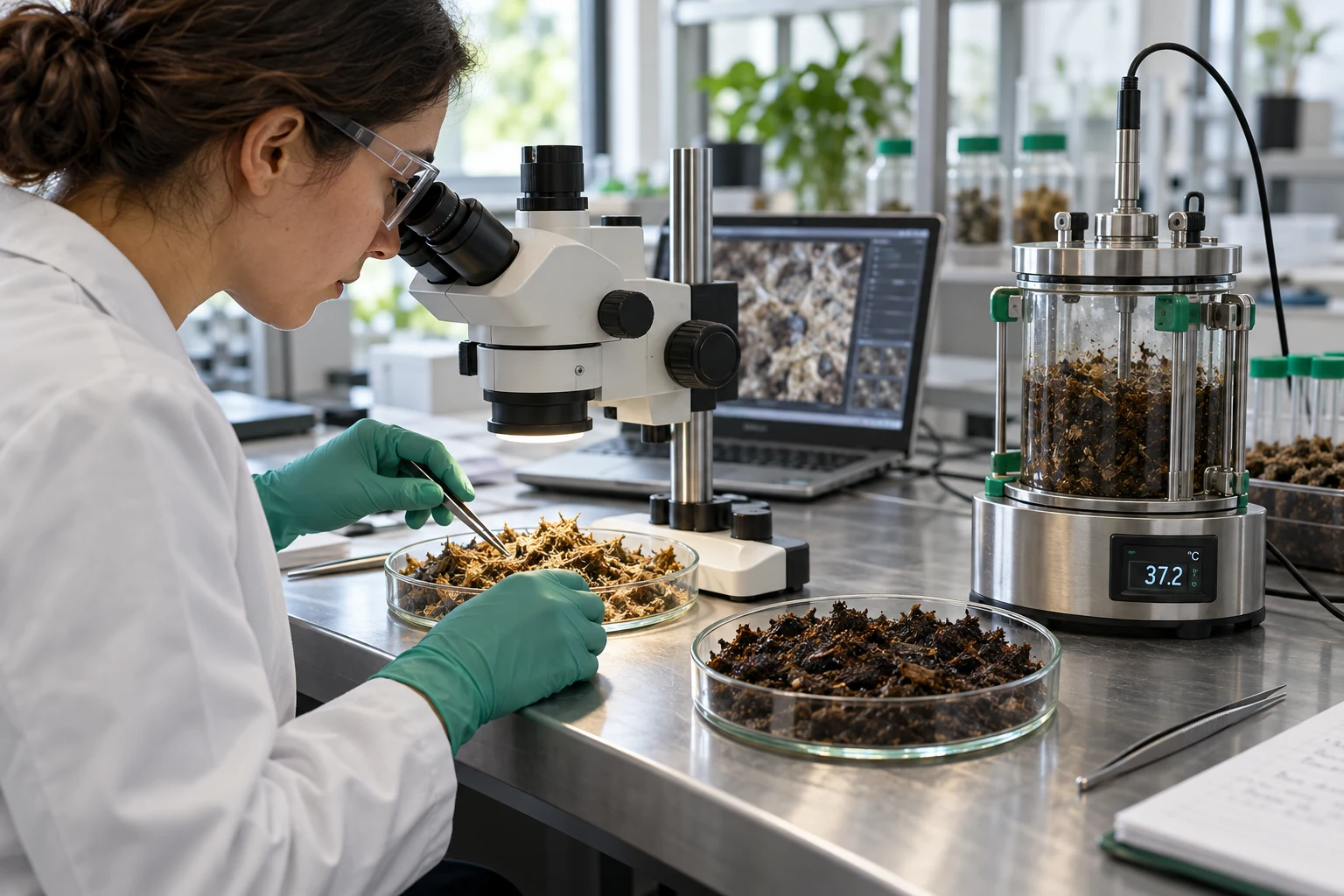
We preserve natural biological transformation while improving conditions for microorganisms. We assess temperature, moisture, oxygen and mixing in relation to bacterial life cycles, aiming for stable and repeatable processes.

Microbial life cycles · Aeration · Process stability
Waste-to-Resource Systems03

Waste-to-Resource Systems

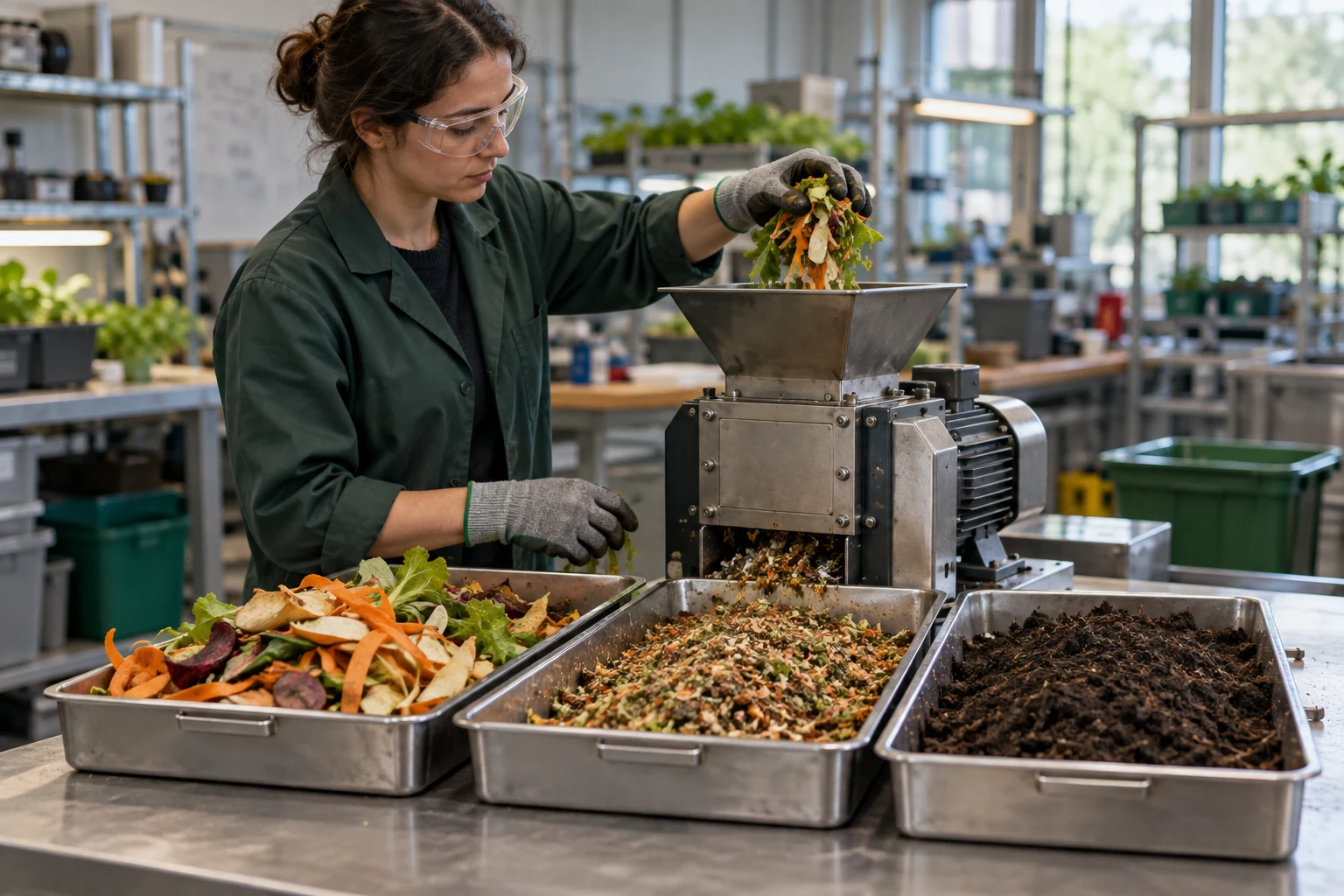
We design material flows from reception and preparation to composting and output assessment, integrating shredding, transfer and enclosed chambers into systems suited to daily operations.

Organic waste processing · Resource recovery · Modular facilities
Industrial Sustainability04

Industrial Sustainability

We examine energy, water and material use at process level, identifying losses and assessing maintenance and operations together to develop practical engineering improvements.

Resource efficiency · Equipment development · Site integration
Biogas Research05

Biogas Research

We consider converting organic material into energy within our research roadmap. Feedstock assessment, preparation, feasibility and pilot studies help identify suitable technology options.

Research roadmap · Feasibility · Pilot studies
Circular Economy06

Circular Economy

We design solutions where the output of one process can become a resource for another, evaluating reuse, recovery and output quality as connected systems.

Material cycles · Reuse · Output assessment
03 / OUR DEVELOPMENT WORK

Taking research into application.

Our product development and new facility concepts share one technology approach. Scope, validation and implementation are shaped around each project’s objectives.

Rapid compost systems
PRODUCT & PROCESS DEVELOPMENT

Rapid compost systems

Compost machines combining integrated shredding, biological process control and automation. Our focus is optimising conditions for bacteria while preserving natural transformation and fitting the operating workflow.

Explore the Work ↗
AI-assisted modular facility
CONCEPT & PILOT DEVELOPMENT

AI-assisted modular facility

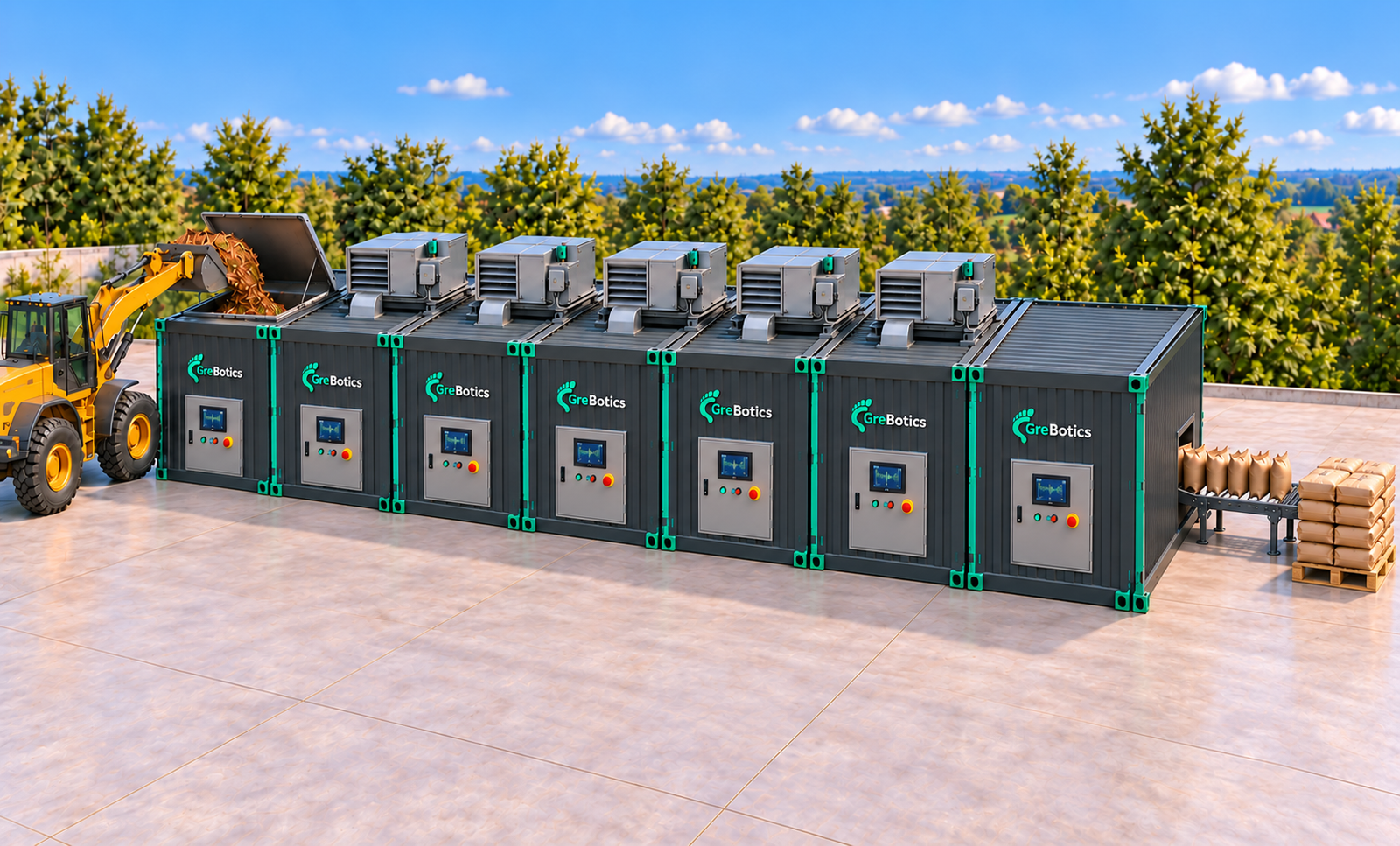
Joined enclosed chambers, individual ventilation and climate control, automation panels and a packing line. We are developing a flexible facility approach that uses chamber data to support process management.

Explore the Work ↗
04 / DEVELOPMENT PROCESS

From ideas to systems.

Learn and measure at every stage, using data to shape the next step. Plan the development journey together, from needs analysis to testing.

  1. Needs Analysis01

    Needs Analysis

    Define the problem, current workflow, technical constraints and success measures together, clarifying the need the project will address.

  2. Research02

    Research

    Explore technology options and biological processes, assessing assumptions through measurements and experiments to establish feasibility and development scope.

  3. Prototyping03

    Prototyping

    Combine mechanical design, electronics and automation, using a working prototype to test feasibility and component integration.

  4. Testing & Development04

    Testing & Development

    Measure performance using real material and pilot conditions. Refine the design with data and plan integration, commissioning and the next steps.

05 / DEVELOPING TOGETHER

Bring your idea. Shape the solution together.

Solutions for businesses

Turn waste management, resource efficiency or automation needs into development projects suited to your site.

New product and technology ideas

Develop your idea through technical feasibility, design, prototyping and pilot validation.

University and technology partnerships

Combine research expertise, engineering and field experience around shared project objectives.

Explore Partnership Models ↗
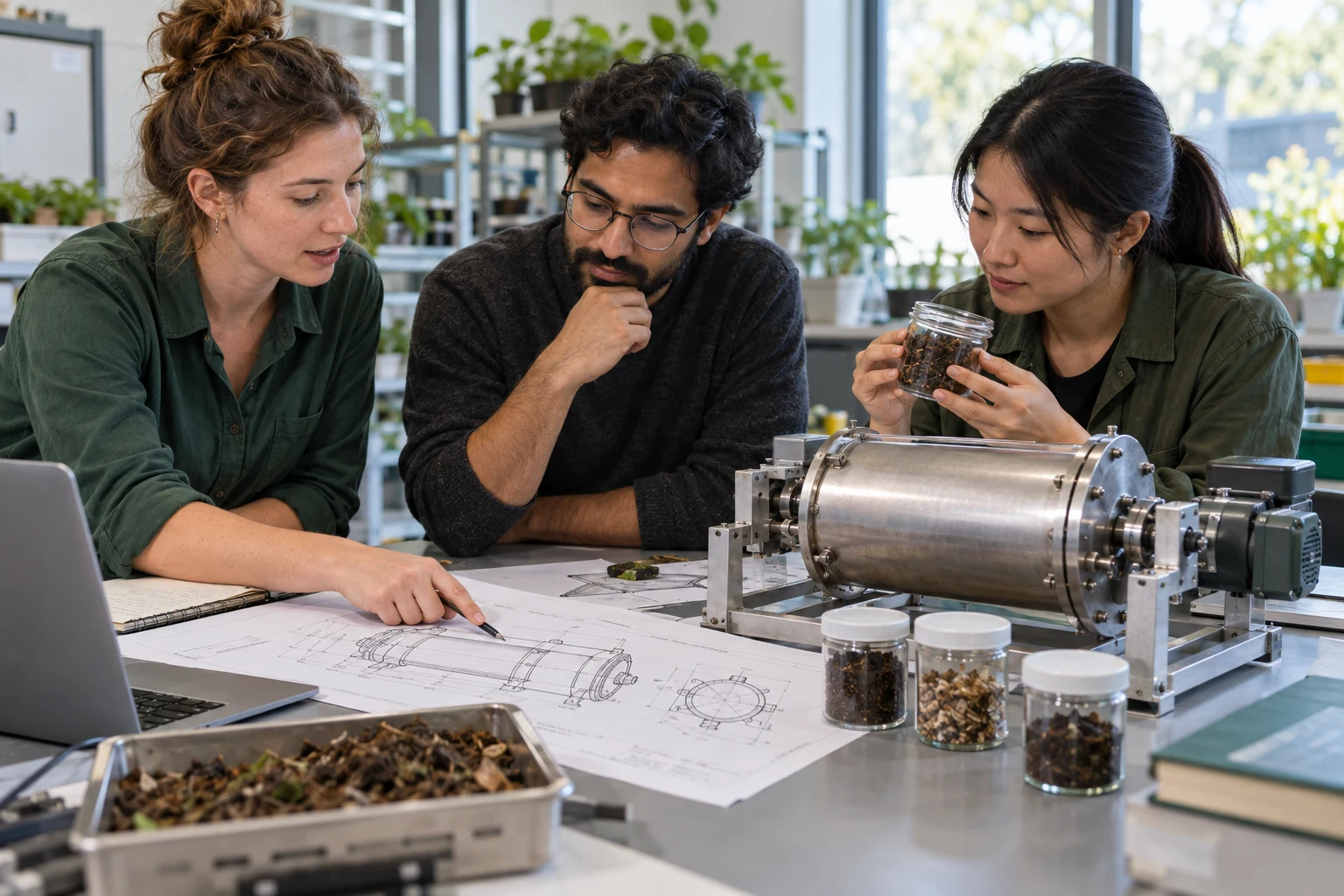
Engineering team developing a project together
BEFORE WE BEGIN

Common questions.

Can I apply without a technical design?

Yes. Describe the problem, intended users and expected result. We can shape the technical scope together through research and feasibility work.

Can we improve an existing machine or process?

We can assess mechanical, control or process improvements by examining the existing system, performance needs and integration constraints.

Is R&D limited to composting?

No. Organic waste and biological processes are a strong starting point. We also assess sustainability, resource efficiency, automation and circular-system ideas against our technical capabilities and project requirements.

How are schedule and budget determined?

We assess research uncertainty, prototype scope, testing and site conditions. A project-specific plan follows once work packages, outputs and review points are defined.

06 / R&D REQUEST

What would you like to change?

An idea or a clearly described need is enough to start. Let’s assess your project in an initial discussion and identify suitable research and development steps.

  • The problem or project idea
  • Current process and intended outcome
  • Available data, site conditions and technical constraints
  • Current project stage and timing expectations

You can start with a general project summary. We can agree the scope for detailed technical information in a follow-up discussion.