
Quick answer
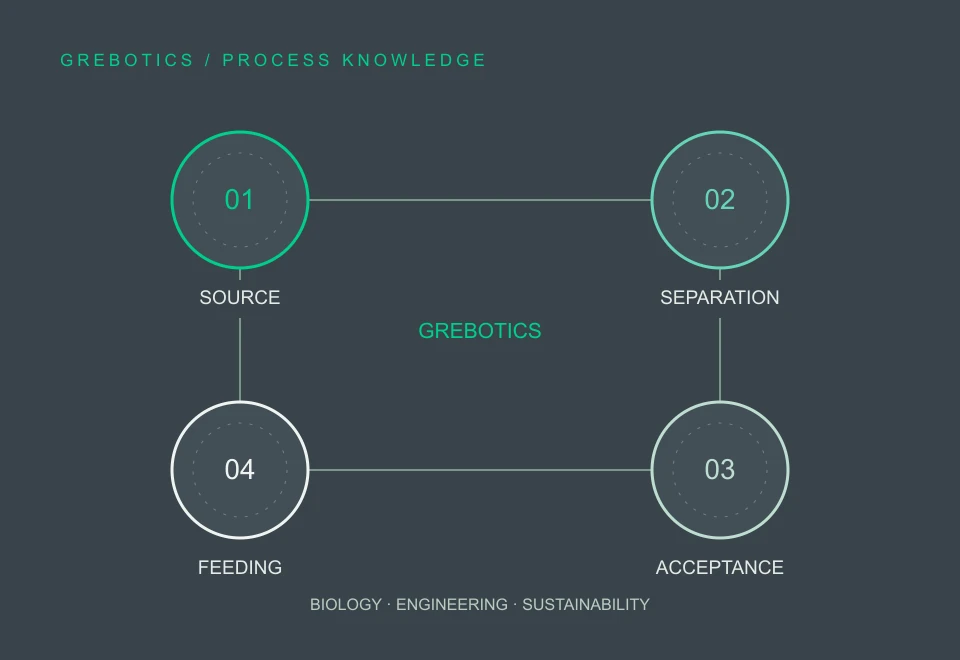
A material being biodegradable does not make it suitable for every compost machine. Feedstock acceptance depends on equipment limits and the operational process plan.
Suitable organic fractions
Suitable food residues, such as vegetable and fruit preparation scraps, are collected separately. Oils, liquids and hard fragments require review with the technical team. An industrial recipe differs from home composting advice.
S72 acceptance limits
S72 product information excludes hard or shelled materials such as wood, bovine bones and coconut. Glass, metal and plastic are also excluded from the organic feed. A biodegradable bag label does not establish equipment compatibility.
S72 feedstock acceptance and operation ↗Designing collection points
Display accepted and excluded materials at collection points. Collection teams and feeding operators should use the same list. Written acceptance criteria are more consistent than verbal instructions across shifts.
Handling uncertain materials
Do not directly feed a new production residue or packaging type. Record its source and composition and ask the technical team. Source separation is an earlier and more effective quality control point than cleaning the finished output.
Practical checklist
- Place acceptance lists at every collection point.
- Remove contaminants before feeding.
- Review new feedstock types with the technical team.
Sources and scope
These references support general compost science. GreBotics-specific features are identified as product information.